
Ethereum Slots Not on GamStop and Layer 2 Cashiers
 Available in GB
Processing Ethereum Deposits at Slot Sites
If a player has ever loaded a non-GamStop slot venue and seen ETH listed as a deposit option, they have probably seen between two and five distinct ETH options sitting under that label. ETH mainnet. ETH on Arbitrum. ETH on Optimism. ETH on Base. USDT on Polygon. The label is the same character string but the actual blockchain the deposit lives on, the fee structure that applies, the settlement time and the address format are all different. That fragmentation is the headline difference between depositing ETH and depositing BTC at a slot venue, and it is the source of most user error I see on first-time deposits.
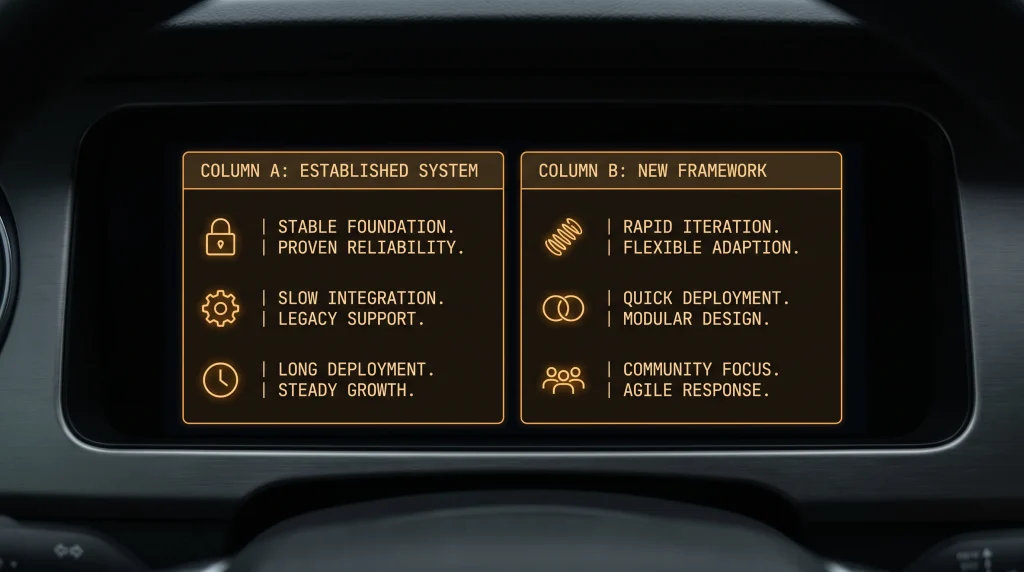
BTC has one settlement layer (the Bitcoin blockchain) plus the Lightning Network as the speed-optimised second layer. ETH has the mainnet plus a growing catalogue of Layer 2 rollups, sidechains and stablecoin overlay tokens, each with their own deposit endpoint at the venue. The player has to pick the right one before broadcasting and there is no recovery from picking the wrong one — funds sent to an address on the wrong network are typically unrecoverable. The rest of this piece walks through the rails as they actually operate at offshore slot venues.
Ethereum Mainnet Deposits and Gas Fee Reality
An ETH mainnet deposit is the canonical Ethereum transaction. The player signs the transfer from their wallet (MetaMask, Trust Wallet, Rabby), it broadcasts to the network, miners include it in the next block, and after one confirmation (roughly 12 seconds for the block plus a brief settlement margin) the venue credits the balance. Mainnet settlement is faster than BTC on-chain settlement and the user experience approximates the speed of a fast bank transfer.
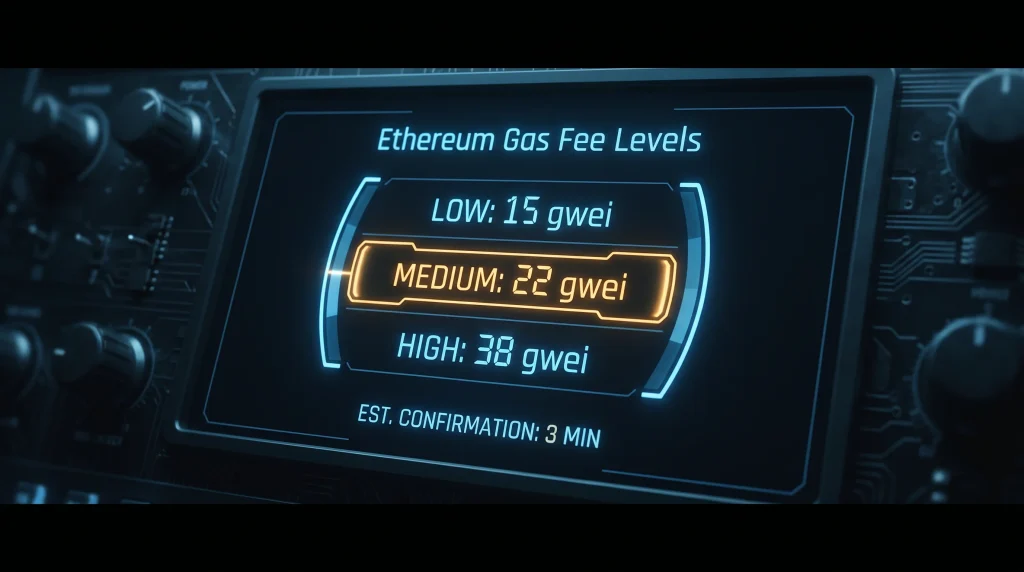
The complication is gas. Every Ethereum transaction pays gas to the validators producing the block, denominated in gwei (billionths of an ETH), and the gas price floats with network demand. In quiet conditions, a standard ETH transfer costs roughly $1–3 in gas. In congested conditions (NFT mint, token launch, market volatility event), the same transfer can cost $20–80. The gas cost is paid in ETH on top of the transfer amount and the player needs to hold enough ETH in the sending wallet to cover both the deposit and the gas. Many first-time players using ETH discover the gas requirement at the moment of failure, with the transaction reverting because their wallet held the exact deposit amount but no additional ETH for gas.
Mainnet ETH deposit minimums at offshore slot venues are typically set in the equivalent of €20–50 to keep the gas cost proportional to the deposit. Deposits below that floor run into a problem where the gas eats a material percentage of the deposited value before it reaches the playing balance.
Recommended online casinos
- ChanzeBonus: Slots Welcome Bonus #1 200% up to €500 · Payout speed: 1-3 business days
- ZombillionBonus: Welcome Pack 250% up to £4000 + 200 FS · Payout speed: 1-3 business days
- NightWinBonus: £900 + 400 free spins · Payout speed: 1-3 business days
- WinBeastBonus: €5000 + 500 FS + €650 Freebet · Payout speed: 1-3 business days
- EvoSpinBonus: 125% up to €2500 + 125 Free Spins · Payout speed: 1-3 business days
- SlotoSportBonus: 500% up to £ 10 200+ 777 FS · Payout speed: 1-3 business days
- BritsinoBonus: Welcome Package – Get your £2,200 + 2,000 FS · Payout speed: 1-3 business days
- BeOnBetBonus: 100% up to €500 + 100 FS · Payout speed: 1-3 business days
- AmunbetBonus: Join now and get 450% up to 2,700 GBP + 450 FS · Payout speed: 1-3 business days
Arbitrum, Polygon, Base: Layer 2 Rails for Slot Deposits
Layer 2 networks bundle thousands of transactions and post them to Ethereum mainnet as a single batched commitment, which collapses per-transaction gas cost to single-digit cents or fractions of a cent while preserving Ethereum-level settlement guarantees. Three rails matter at slot venues.
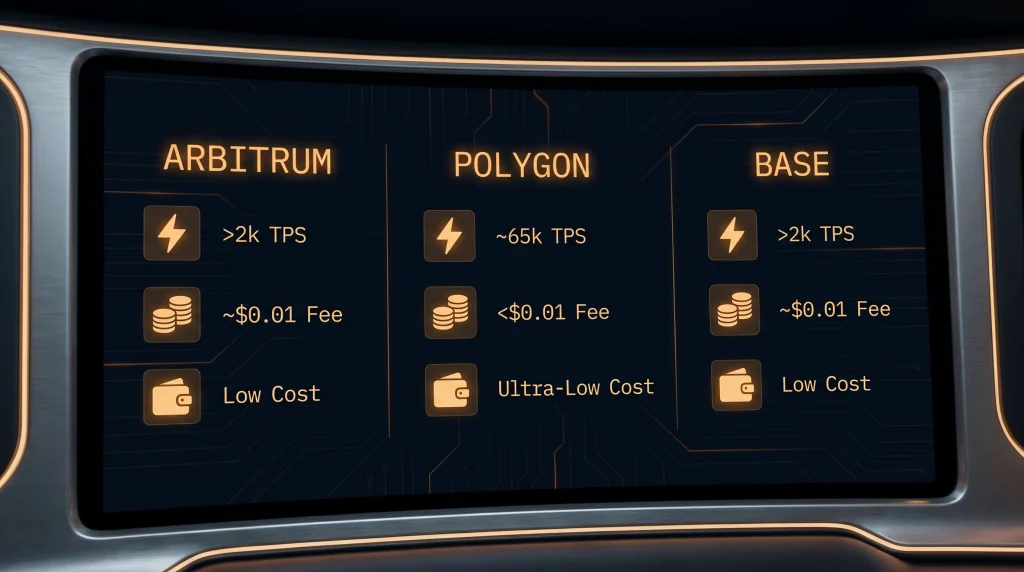
Arbitrum is the largest Layer 2 by total value locked and the most widely supported rail at offshore venues that accept Ethereum. Deposit confirmation is fast (5–10 seconds for the L2 transaction; the rollup posts the batch to mainnet later as a settlement separate from user-visible credit). Gas cost is typically under $0.10. The wallet address format is the same as mainnet Ethereum (0x prefix, 40 hex characters) but the deposit endpoint at the venue is a different address than the mainnet endpoint — sending mainnet ETH to an Arbitrum endpoint or vice versa will lose the funds.
Polygon (now Polygon PoS, the original sidechain rather than the zkEVM rollup) is the second-most-supported rail. Faster again than Arbitrum at typical loads, lower fees still — fractions of a cent — and a longer track record of integrations at gambling venues. The same address format applies and the same cross-network risk applies.
Base is the Coinbase-incubated rollup and the newest of the three at slot-venue scale. Gas costs comparable to Arbitrum, settlement comparable, and the rail’s tight integration with Coinbase makes it the natural choice for players already holding ETH on Coinbase since the on-ramp from exchange to Base is direct without a separate bridging step.
The choice of which Layer 2 to use at deposit time matters less than picking a Layer 2 over mainnet for any deposit under €200, because the gas saving compounds against the deposit size meaningfully.
USDT and USDC at Non-GamStop Slot Sites
Stablecoins remove the exchange-rate volatility that complicates BTC and ETH deposits. USDT (Tether) and USDC (Circle) both run as ERC-20 tokens on Ethereum mainnet plus on every major Layer 2, and both are accepted at the majority of offshore venues that support any crypto rail. The deposit flow is identical to ETH — choose the network, send the transfer, wait for confirmation — but the deposited balance does not move against the USD reference, so the player’s apparent balance behaves like a fiat balance throughout play.
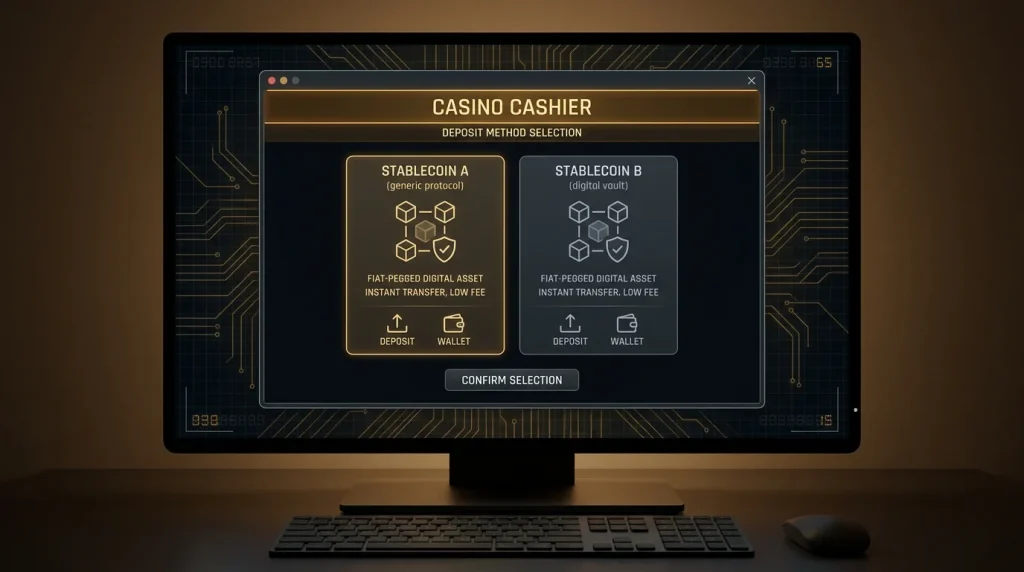
The choice between USDT and USDC is mostly about issuer counterparty risk preference and venue support coverage. USDT has broader gambling-venue acceptance because Tether’s gambling-sector relationships are deeper. USDC has stronger transparency on reserve composition and the Circle attestation regime. Either token deposited on Polygon or Arbitrum will settle in seconds at gas costs of fractions of a cent.
Venues handling stablecoins divide into those that keep the deposit as the stablecoin in the player’s balance and those that convert immediately to a fiat playing balance. The first model has the player wagering in USDT units and the venue’s internal accounting in USDT throughout. The second model converts on receipt with a small spread (typically 0.5–1.5%) and the player wagers in EUR or USD as displayed. The conversion-on-receipt model is more common at venues that originated with fiat payment rails and added crypto later.
FCA Stance on ERC-20 Stablecoin Gambling Routes
The FCA’s crypto regulatory perimeter for UK-resident persons sits across multiple regimes. The crypto-asset financial promotions regime in force since October 2023 brings UK marketing of crypto assets under FSMA approval requirements. The FCA’s authorisation regime for crypto firms operating in the UK runs under the Money Laundering Regulations registration requirement, which is the regime that applies to the on-ramps a UK player uses to acquire ETH or stablecoins before sending to an offshore gambling venue.

The 5.8% of UK adult gamblers reporting VPN use to access offshore gambling services and the 2.2% accessing only via social-messenger platforms in current telemetry give the access-pattern picture for the player base most likely to be using crypto routes specifically. VPN usage at gambling sites is up roughly 40% above pre-Online Safety Act baseline, and the crypto-rail user base overlaps materially with the VPN-using segment.
The stablecoin route specifically sits in the regulatory zone the FCA is still scoping under the secondary regulations to the Financial Services and Markets Act 2023, which extend the crypto perimeter to fiat-backed stablecoins as a distinct asset class. The Remote Gaming Duty rise to 40% from April 2026 affects only UK-licensed operators directly, but the wider operator-margin compression that follows from RGD has knock-on effects on the bonus economics offshore venues compete against. The stablecoin offshore route remains operational for UK players in practical terms while sitting in a regulatory environment that is still actively being defined.
For the wider context on BTC-specific deposit mechanics and the comparison with the Lightning Network rail, see Bitcoin slots not on GamStop.
Frequently Asked Questions
Are Polygon USDC deposits processed faster than ETH mainnet transactions?
Polygon USDC deposits settle in 2–5 seconds at single-digit-cent gas cost. ETH mainnet transactions require one block of confirmation at roughly 12 seconds plus the venue”s credit margin, with gas costs typically in the $1–80 range depending on network congestion. For any deposit under approximately €200, the Polygon USDC rail is materially faster and meaningfully cheaper than the mainnet equivalent.
Does an operator accept stablecoins for wagering or convert them to fiat on receipt?
Both models exist and the answer is operator-specific. Native-crypto venues hold the deposited USDT or USDC as the token in the player”s balance and denominate wagering in stablecoin units throughout. Hybrid venues convert on receipt to a fiat playing balance (typically EUR or USD) with a spread of 0.5–1.5% on the conversion. The operator”s cashier page typically discloses which model applies, though the disclosure is sometimes buried in the payment-method detail rather than the cashier landing page.
Is an ETH withdrawal taxable income in the UK?
UK gambling winnings are not generally subject to income tax, which applies to winnings paid in fiat or in crypto. However, the disposal of the crypto asset received as a withdrawal — whether by converting to GBP, exchanging for another crypto asset or spending it — can trigger a Capital Gains Tax event measured against the asset”s value at the point of receipt. The player”s tax position depends on individual circumstances and qualifies as the kind of question to put to an accountant rather than rely on a generic answer for.
Articles
Published by the non Gamstop slots UK team.