
Curaçao Licensed Slot Sites and Post-LOK Rules
 Available in GB
Curaçao Licensing Impact on Non-GamStop Casinos
If a UK player picks ten offshore slot venues at random from the active non-GamStop segment, the licensing jurisdiction underneath roughly seven of them will be Curaçao. The dominance is structural and rooted in the historic licensing economics: Curaçao operated a master-sub-licence model for two decades that made entry to the market cheaper and faster than any comparable jurisdiction, and the result was a concentration of offshore gambling brands sitting under Curaçao licensing that survives the recent reform of that model.
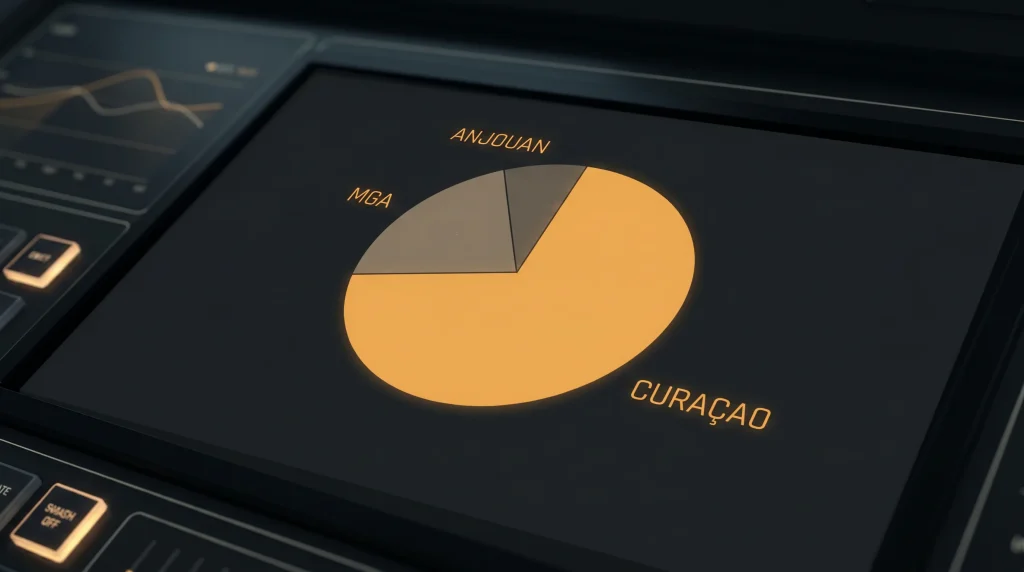
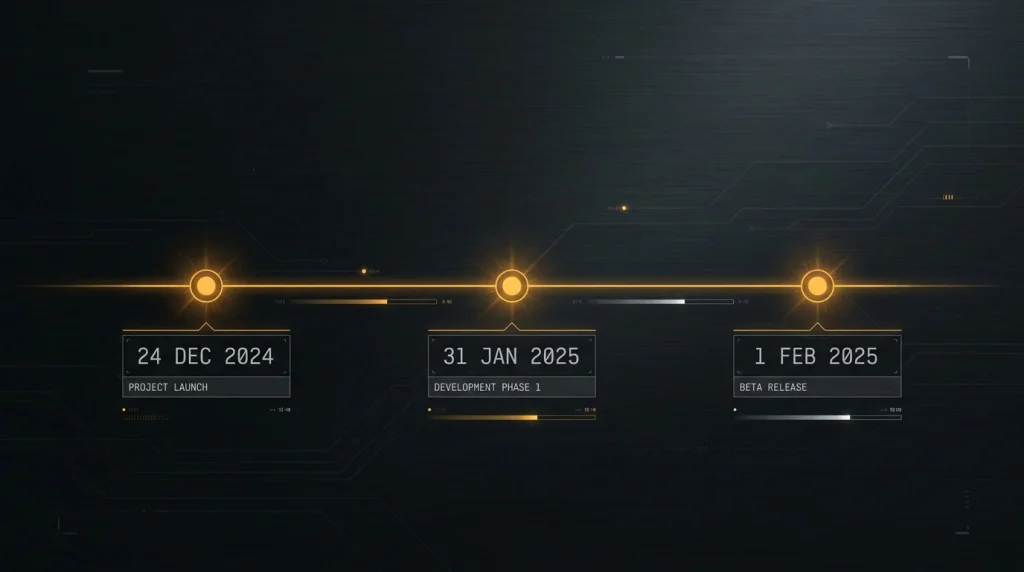
The reform itself is the news. The Curaçao gaming framework has been mid-overhaul since 2023 and the substantive transition completed in 2025 with the LOK (Landsverordening op de Kansspelen) coming into force on 24 December 2024 and all legacy sub-licences voided on 31 January 2025. The post-LOK landscape is meaningfully different from the pre-LOK one in regulatory structure, fee economics and supervisory expectations, even if the player-facing experience at many venues looks unchanged. This piece is the working map of what Curaçao licensing now looks like for venues serving UK players and what the LOK transition has actually changed.
The LOK Timeline: December 2024 to the Sunset of Sub-Licences
The LOK timeline is precise and the dates matter for understanding which licences are valid today.
The pre-LOK model ran a small number of master-licence holders (the canonical four: 1668/JAZ, 5536/JAZ, 8048/JAZ and 365/JAZ) who issued sub-licences to operators on commercial terms. Sub-licences were inexpensive (typically €5 000–€15 000 annually), required minimal due diligence, and were issued by the masters under their own commercial discretion rather than under direct regulatory oversight. The model produced thousands of operator brands sitting under Curaçao licensing with varying levels of actual compliance.
The LOK came into force on 24 December 2024 and replaced the master-sub-licence structure with a direct-licensing model administered by the Curaçao Gaming Authority. Operators previously holding sub-licences had until 31 January 2025 to either apply for direct LOK licensing or cease operations. Operators that filed for LOK licensing before the deadline could continue operating under transitional arrangements while their applications were processed.
The substantive effect from 1 February 2025 onwards is that every Curaçao-licensed slot venue should be operating under a direct LOK licence or under a documented transitional permit, and the master-sub-licence chain has formally ended. Operators continuing to display the old master licence numbers without holding direct LOK authorisation are operating outside the framework. The CGA publishes a register of licensed entities and the master-licence numbers (1668/JAZ etc.) should no longer appear as standalone authorisations after the transition.
The New B2C and B2B Licence Categories Under LOK
The LOK splits gambling activity into B2C (operating a gambling service for end users) and B2B (providing gambling-related services, software or platforms to other operators) and licences the two categories separately. The split aligns Curaçao with the MGA framework and most European jurisdictions and resolves a structural ambiguity in the pre-LOK model.
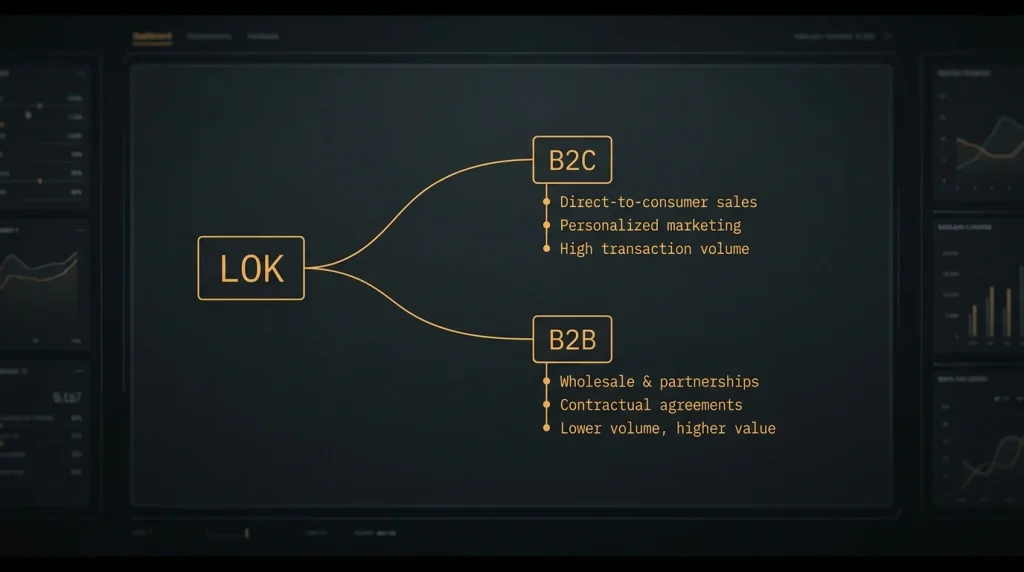
The B2C licence is the operator licence — the authorisation a venue running a slot lobby needs to take wagers from players. Annual fees on the B2C licence run at approximately €47 000, a roughly 5×–10× increase on the pre-LOK sub-licence economics. The fee scale combined with the direct due-diligence requirements under LOK has produced a meaningful contraction in the operator count compared to the pre-LOK peak, with several hundred operators exiting the jurisdiction rather than transition.
The B2B licence is the supplier licence — the authorisation a studio (Pragmatic, Hacksaw, NetEnt and so on) needs to distribute its slot titles to Curaçao-licensed operators. Annual fees run at approximately €24 000. The split matters because studios that previously operated under master-sub-licence umbrellas now need direct B2B authorisation, and the transition has caused some studio-operator content distribution to pause briefly while authorisations cleared.
The application requirements under LOK include substance requirements (local director, local office presence), fit-and-proper testing of beneficial owners, AML and responsible-gambling policy documentation, and ongoing reporting obligations to the CGA. The framework’s substance is materially closer to MGA’s framework than to the pre-LOK sub-licence model.
The Curaçao Stance on Accepting UK Players
The Curaçao position on accepting UK players is the most over-simplified topic in the offshore slot discussion. The legal position, the licensing position and the operational position do not align.
The legal position under Curaçao law is that LOK-licensed operators are restricted from offering services to residents of jurisdictions where the operator does not hold appropriate local authorisation, where the operator’s activity contravenes the local jurisdiction’s law, or where bilateral arrangements specifically restrict cross-border activity. The UK does not have a bilateral arrangement with Curaçao on remote gambling. UK law (the Gambling Act 2005 as amended) requires UKGC licensing for remote gambling activity directed at UK residents but does not directly criminalise UK residents for participating in offshore gambling.
The licensing position is that LOK operators are required to apply geographic restrictions consistent with their licence terms and to monitor for cross-border violations. Enforcement of the restriction against UK acceptance is weak in practice — the CGA’s supervisory bandwidth on geographic restriction is limited and the operational reality is that most LOK-licensed slot venues continue to accept UK players without intervention.
The operational position is what UK players encounter directly: a large active set of Curaçao-licensed venues accepting UK accounts, deposits and wagers, with the legal and licensing constraints existing on paper but not consistently enforced. UKGC has been blunt about the wider risk profile of the offshore segment, with the regulator describing the unlicensed UK-targeting infrastructure as operating through sophisticated international criminal networks
in the most recent enforcement narrative. The Curaçao venues operating cleanly within LOK and accepting UK players are not the same population as the criminal-network infrastructure the regulator describes, but the operational map for a UK player choosing a Curaçao venue is one where the regulatory protections that apply at UKGC venues simply do not exist on the offshore side regardless of which Curaçao licence the venue holds.
What the Reform Practically Means for a UK Slot Player
The practical effects of LOK on a UK player choosing a Curaçao-licensed venue are mixed and the magnitude varies by operator.
The first practical effect is operator consolidation. The fee economics under LOK have pushed several hundred marginal operators out of Curaçao licensing, with consequent venue closures across the segment. UK players with accounts at affected venues have in some cases seen abrupt closure notifications with limited withdrawal windows to retrieve balances. The remaining LOK-licensed operator set is smaller and (on average) operationally more substantial than the pre-LOK population.
The second practical effect is improved dispute infrastructure. LOK requires operators to participate in alternative dispute resolution under defined criteria and the CGA itself has a complaints handling function that did not effectively exist in the pre-LOK model. The recourse a player has when a withdrawal is delayed or an account is closed without explanation is meaningfully better than under the master-sub-licence framework, even though it remains weaker than UKGC or MGA recourse.
The third practical effect is the geographic restriction is at least nominally enforced. LOK operators that continue to take UK players are doing so in tension with their licence terms, and players who experience a dispute at a venue can in some cases use the geographic-restriction violation as part of the dispute basis. The practical leverage this provides is uneven but is non-zero.
For the comparison with MGA-licensed venues that operate under a stronger supervisory framework but a smaller offshore footprint, see MGA licensed slot sites UK.
Frequently Asked Questions
Can a Curaçao-licensed slot site legally accept a UK resident in 2026?
The Curaçao licensing framework restricts acceptance of UK residents under the LOK rules on geographic restriction, and operator compliance with that restriction is uneven. Most LOK-licensed venues continue to accept UK accounts in practice despite the licensing-side restriction, with limited enforcement from the Curaçao Gaming Authority. UK law does not criminalise the UK resident for participating in offshore gambling but does require UKGC authorisation for any remote gambling activity directed at UK residents, which the Curaçao venues are not holding.
What are the licence fees Curaçao operators now pay under LOK?
Annual fees under the LOK framework run at approximately €47 000 for a B2C operator licence and approximately €24 000 for a B2B supplier licence, with additional application-stage costs and ongoing compliance reporting expenses. The fee scale is significantly higher than the pre-LOK master-sub-licence economics where sub-licences ran at €5 000–€15 000 annually, and the increase has contributed to the operator-count contraction in the jurisdiction since the transition.
How can a player verify a Curaçao master licence is still active?
The master-licence numbers from the pre-LOK framework (1668/JAZ, 5536/JAZ, 8048/JAZ, 365/JAZ) are no longer the appropriate verification reference after the 31 January 2025 sunset. The verification should run against the Curaçao Gaming Authority”s published register of LOK-authorised entities, which lists operators holding direct B2C licences and suppliers holding direct B2B licences. Venues still displaying only the old master licence numbers without LOK authorisation are operating outside the current framework.
Articles
Published by the non Gamstop slots UK team.